
Why Now: Pursuing a Graduate Degree in Learning Design


For the past few months, I’ve been thinking deeply about what comes next.
I made the intentional decision to step away from Microsoft and take a career sabbatical. After years of moving from one deadline, reorganization, product launch, or business priority to the next, I wanted to create the space to think seriously about what I wanted to do next. That could have meant starting a company, moving into a different field, returning to a familiar kind of leadership role, or pursuing an entirely new direction. Over the past several months, I have used that time to build new products, experiment with AI, research graduate programs, and look for the common thread across more than 25 years of work.
That reflection led me to an important decision: I’m beginning a graduate degree in Learning Design and Technology.
This is not a sharp career pivot or an attempt to start over. It's an opportunity to deepen the academic foundation beneath work I've already been doing for years. Throughout my career, I've helped people understand complex products, built technical content and learning platforms, designed customer education experiences, and led the teams and systems that make learning possible at scale.
For much of my career, however, I have struggled to explain exactly what I do.
Am I a writer? A writing manager? A technical content leader? A product manager? A customer education leader? A learning-platform leader? A digital experience leader? The honest answer is that I've worked across all of those areas. Learning Design and Technology gives me a framework that connects them and points toward the kind of work I want to do next.
I came into this career sideways, through customer support. I spent years helping people solve technical problems and writing hundreds of knowledge-base articles based on the issues they were actually encountering. From there, my work expanded into product documentation, developer guidance, digital learning, and customer education for platforms including Windows, Office, Microsoft 365, Azure, Hootsuite, and Avalara.
Over time, I moved from creating individual pieces of content to leading the teams, platforms, operating models, and ecosystems that make high-quality technical learning possible at scale. Looking back, I can see that learning design has been a consistent thread throughout my career, even when I did not yet have the language to describe it.
From creating content to designing systems
My early work in support and technical communication taught me how closely content quality affects customer success. By the time I joined the Windows Phone developer platform, my role had expanded beyond writing individual articles. I was leading the team responsible for the broader experience that helped developers understand, adopt, and build for a new mobile platform.
That experience included documentation, code samples, walkthroughs, design guidance, developer websites, and marketplace publishing. Each element had to work together. A strong API reference could not compensate for a confusing starting point, weak examples, or fragmented navigation.
The lesson was that developers do not experience content as something separate from the product. Documentation, samples, tools, and learning resources all shape whether a platform feels approachable and trustworthy. That realization moved me toward thinking through complete content and learning systems rather than focusing only on individual deliverables.
Later, while leading Office developer content, I led the reorganization of the team around developer experiences instead of traditional publishing boundaries. We created a Patterns and Solutions organization focused on code-first learning through reusable samples, starter projects, and working solutions.
We also began adopting practices that are now common but were still emerging at the time: Markdown, Git-based authoring, open-source contributions, and documentation workflows aligned more closely with engineering.
The work was not only about changing tools. It required changing how people thought about their roles. Writers needed to work more directly with engineers. Teams needed to organize around customer journeys instead of product silos. Managers needed to help people develop new technical skills while continuing to support large portfolios of existing content. That was learning design, organizational design, product management, and change leadership happening at the same time.
My work became even more connected to learning when I joined Microsoft Worldwide Learning. At the time, Microsoft had a large collection of learning products: certifications, instructor-led training, Microsoft Virtual Academy, MOOCs, books, hands-on labs, partner programs, and numerous digital destinations.
Each program had value, but the experience could feel fragmented to learners.
I helped develop a broader product strategy that connected role-based learning paths, skills, assessments, credentials, labs, shared services, and simpler digital experiences. The central idea was that learning should begin with what someone needs to do in a job role. From there, we could identify the required skills and connect those skills to documentation, structured learning, practice environments, assessments, badges, and certifications.
Helping launch Microsoft Learn
I later moved into Microsoft’s Developer Relations organization to help launch the initial Microsoft Learn experience.
I led a team of program managers focused on the systems and programs surrounding the platform. That included areas such as labs, support, contributor processes, analytics, and onboarding. One of my major projects was bootstrapping Microsoft Learn’s first onboarding program for internal product teams. Teams across Microsoft wanted to publish learning content, but opening the platform without clear standards would have created inconsistency and operational chaos.
I developed the initial framework for how teams would engage with Microsoft Learn. It covered prioritization, governance, funding, authoring readiness, content ownership, analytics, localization, support, and long-term maintenance.
That program has evolved considerably, but the underlying problem remains the same: how do you enable many teams to contribute while protecting the quality and coherence of the learner experience?
Again, that is not simply content management. It's the design of a learning ecosystem.
Applying the same thinking outside Microsoft
Leaving Microsoft for smaller technology companies broadened my perspective.
At Avalara, I led the platform and tools strategy supporting the Help Center and Avalara University. The company had separate systems for product help, customer education, support content, marketing, and in-product guidance. I developed a vision for connecting those experiences through a more scalable content and publishing model.
Project FIRO, short for Federated Information and Reusable Objects, explored structured authoring, docs as code, reusable content, source control, automated publishing, localization, and integration with the company’s broader digital experience.
I also introduced a new sprint framework for the Customer Learning organization. The goal was to improve planning, prioritization, visibility, and collaboration across teams.
That experience reinforced something important: technology platforms alone do not transform organizations. Teams also need new operating rhythms, decision models, skills, governance, and trust.
At Hootsuite, I applied similar thinking to the company’s global digital experience. My team was responsible for the Help Center and broader web ecosystem. We modernized the Help Center through UX improvements, CMS changes, publishing automation, analytics, localization, and stronger integration with support workflows.
Each of these roles looked different on paper, but the underlying work was remarkably consistent. I was helping people find information, build knowledge, develop skills, and succeed with complex products.
Leading through integration and change
When I returned to Microsoft after nearly four years at Avalara and Hootsuite, I came back with a broader perspective. Working outside the company had exposed me to different technology stacks, operating models, organizational cultures, and approaches to customer education. I returned with a better understanding of both what large companies do well and where smaller organizations can move with greater speed and flexibility.
That perspective shaped my later work in Azure, where the people and organizational side of learning became increasingly important. Within Azure for Operators, I helped lead content and training teams that had joined Microsoft through acquisitions. The teams were distributed across the United States, the United Kingdom, India, and New Zealand.
The challenge was not simply to move documentation into Microsoft systems. These were established organizations with their own cultures, tools, customers, publishing models, and ways of working. My role included helping people learn Microsoft’s systems, connect with new partners, adopt unfamiliar tools, and integrate into a much larger organization while continuing to support existing telecom customers.
The organization later experienced multiple reorganizations, layoffs, and ultimately a major change in business direction. That period taught me that learning and change are inseparable. People cannot adopt new systems or ways of working simply because a leader announces them. They need context, support, practice, feedback, and psychological safety. Those are learning-design principles too.
Later, I led Azure’s Patterns & Practices organization, which included the Azure Architecture Center, Cloud Adoption Framework, Well-Architected Framework, and Reliability guidance. This introduced me to a content model that was different from the product documentation and structured learning experiences I had worked with for much of my career. Patterns and practices content is intentionally opinionated. It does not simply explain what a product can do; it helps customers decide what they should do by translating technical capabilities, real-world experience, architectural principles, and tradeoffs into actionable guidance. I developed a deep respect for how difficult that work is. Creating credible guidance requires more than technical accuracy. It requires judgment, synthesis, strong points of view, and an understanding of the customer decisions the content is meant to support.
Leading that organization expanded how I thought about content and learning. Sometimes the goal is not simply to transfer knowledge, but to help people reason through complexity and make better decisions.
Designing learning directly again
Although I no longer consider myself a pure technical writer, I still value staying close to the work of creating learning experiences.
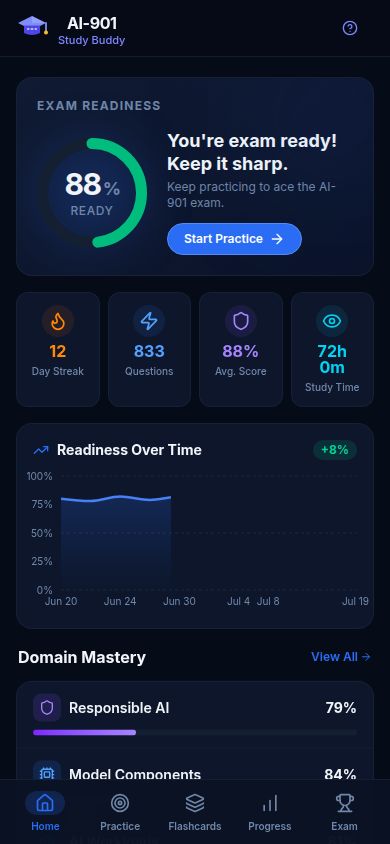
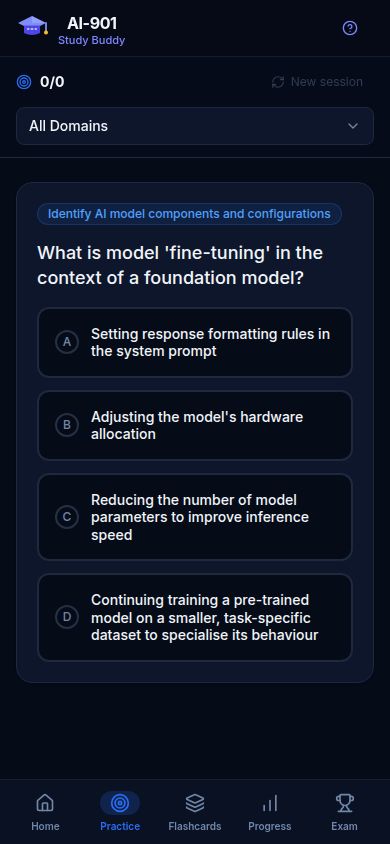
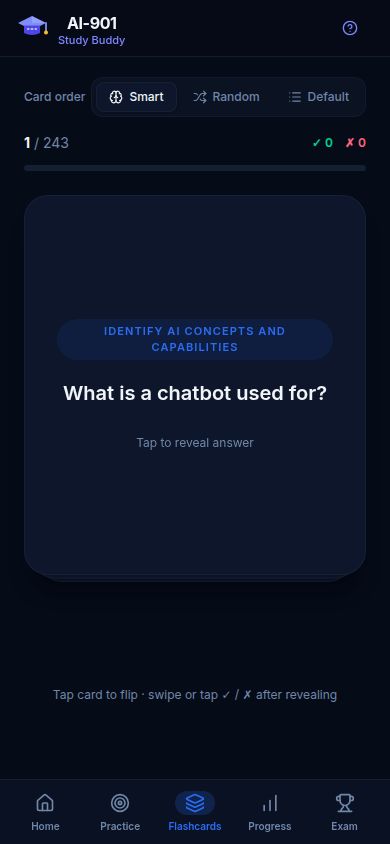
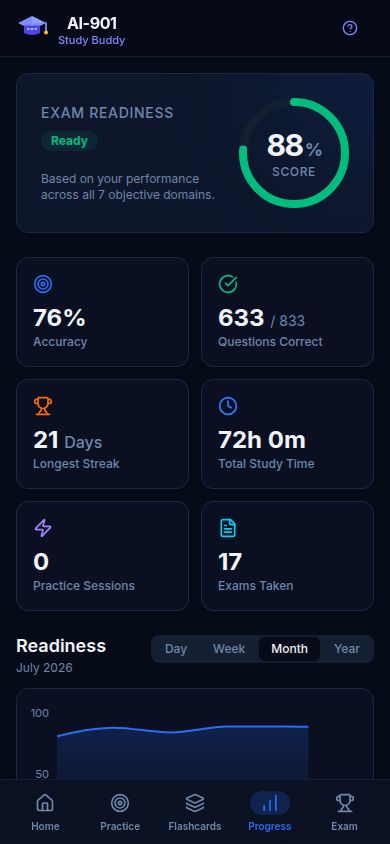
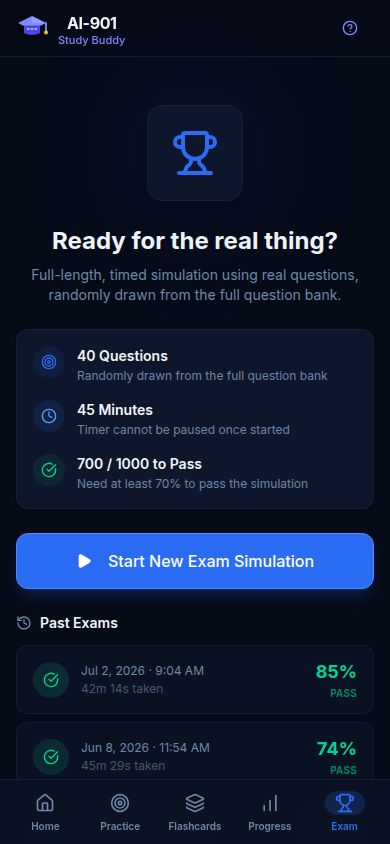
More recently, I began studying for the Microsoft Azure AI certification and decided to build my own study application with AI-assisted development. Cert Buddy™ started as a practical way to prepare for the exam, but it quickly became something more: an experiment in designing a mobile, interactive learning experience.
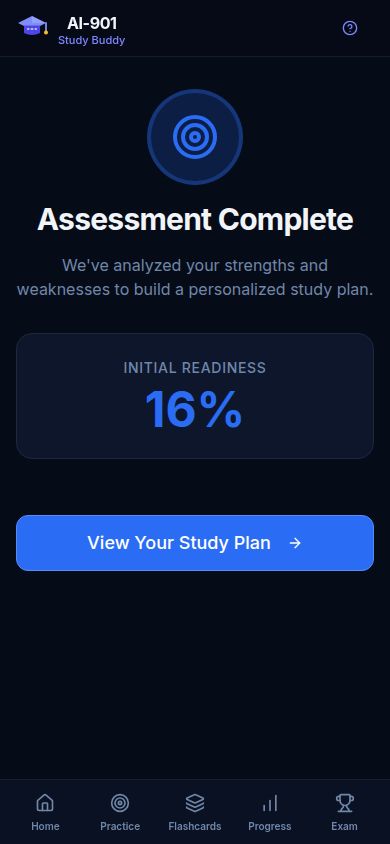
I built practice questions, timed exam simulations, flashcards, progress tracking, and AI-generated performance insights. As I used the application myself, I began noticing where the experience supported learning and where it created friction. Were the flashcards appearing in the right order? Did the practice questions reinforce understanding or simply reward memorization? Were the explanations clear enough to correct a misconception? Did the progress indicators encourage continued practice?
That made the project unusually valuable. I was designing the learning experience while also living inside it as the learner.
Each study session became a form of user research, helping me refine both the product and my understanding of how practice, feedback, sequencing, repetition, and assessment work together.
The project also became an intentional part of preparing for graduate school. I wanted to begin building a portfolio of digital learning experiences that demonstrated more than my ability to lead teams and platforms. I wanted to show that I could still move from an idea to a working product, make learning-design decisions, use emerging technology thoughtfully, and improve the experience through direct observation and iteration.
The experience reinforced my belief that AI will not eliminate the need for learning design. AI can accelerate drafting, generate variations, and surface patterns in learner performance. But someone still needs to understand the learner, define the objectives, organize the experience, validate the content, design meaningful practice, and determine whether the experience is actually helping someone learn.
Building Cert Buddy reminded me how much I enjoy turning complexity into a structured and interactive learning experience. It also gave me a practical starting point for the portfolio I hope to build throughout graduate school and a preview of the questions I want to explore more deeply.

So what am I?
After reflecting back on my career progression and projects, I no longer think the answer is “content manager” or “product manager.” Both descriptions are partially correct, but neither captures the whole picture. I have come to see myself as a content, customer education, and enablement leader, using product thinking to build the teams, systems, and experiences that help people understand, adopt, and succeed with complex products and technology.
My work sits at the intersection of:
technical content
customer education
learning platforms
digital experience
product strategy
content operations
organizational design
people leadership
emerging technology
Learning Design and Technology gives me a way to deepen the human side of work I have already been doing for years. I understand platforms, publishing systems, operating models, governance, product strategy, and organizational leadership. I now want to strengthen my understanding of how people learn, how practice and feedback should be designed, how assessment supports mastery, and how emerging technologies can improve learning without making it less human.
The next chapter
Starting a graduate program in Learning Design and Technology is the outcome of several months of reflection, but it's not the end of that process. It's a deliberate investment in what I want the next stage of my career to become.
I'm not pursuing Learning Design because I want to start over as an entry-level instructional designer. I'm pursuing it because I want to combine learning science and learning engineering with decades of experience in technical content, product strategy, platforms, digital experiences, AI, and global team leadership.
My career has gradually moved from creating content to designing the systems that create, deliver, govern, and improve learning. Graduate study will help me better understand the learner at the center of those systems and explore how emerging technologies can make complex learning more useful, interactive, current, and human.
After spending the past several months asking what comes next, I have found at least part of the answer.