
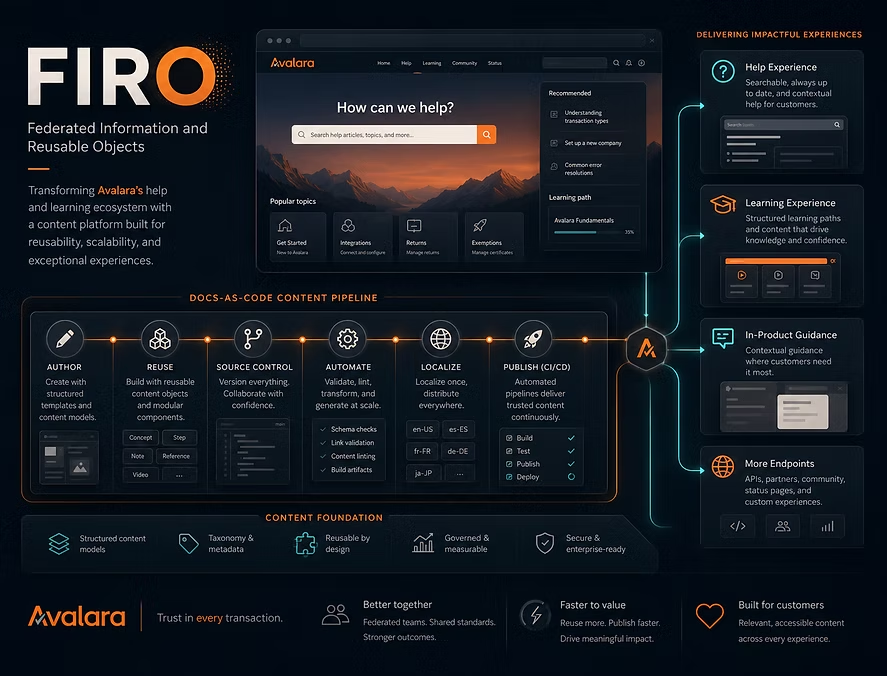
Transforming a fragmented content footprint into a structured, scalable platform designed for reuse, governance, and a more coherent customer experience.
The Baseline Context
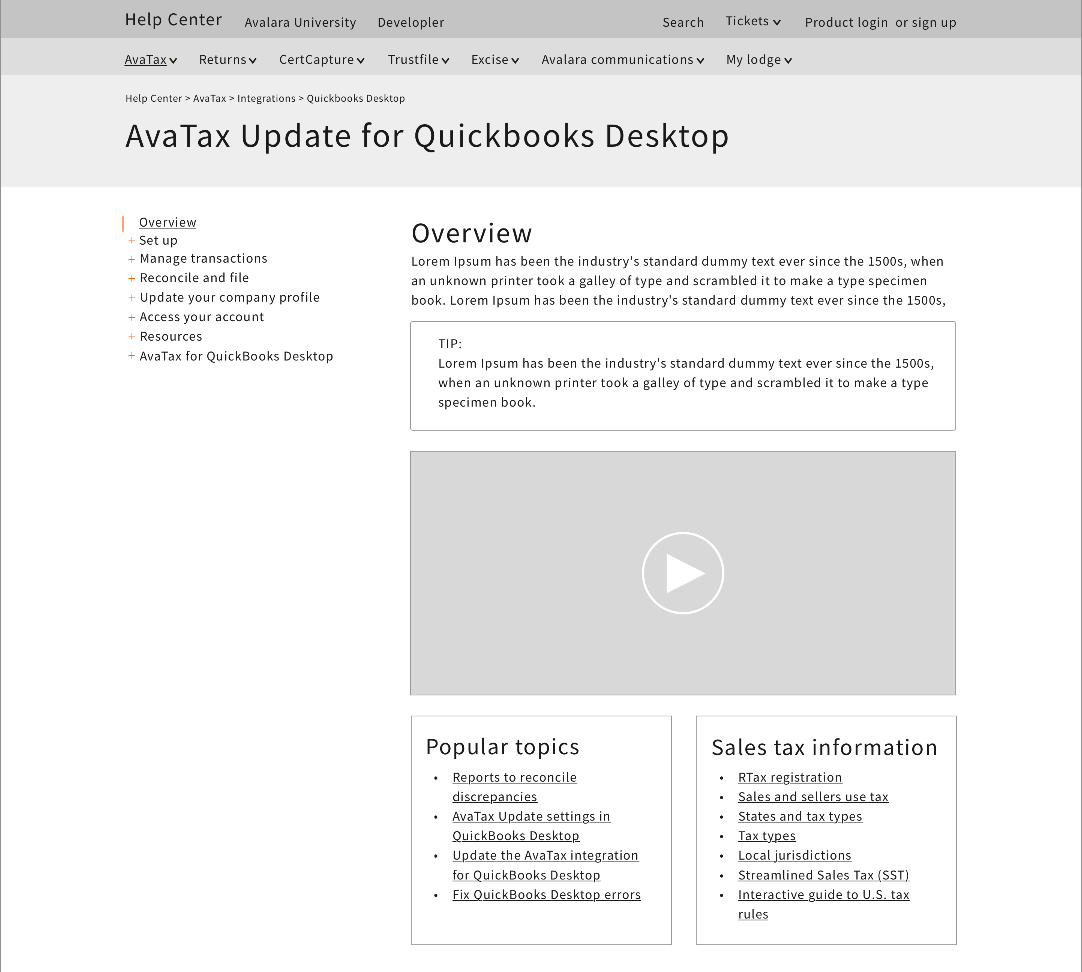
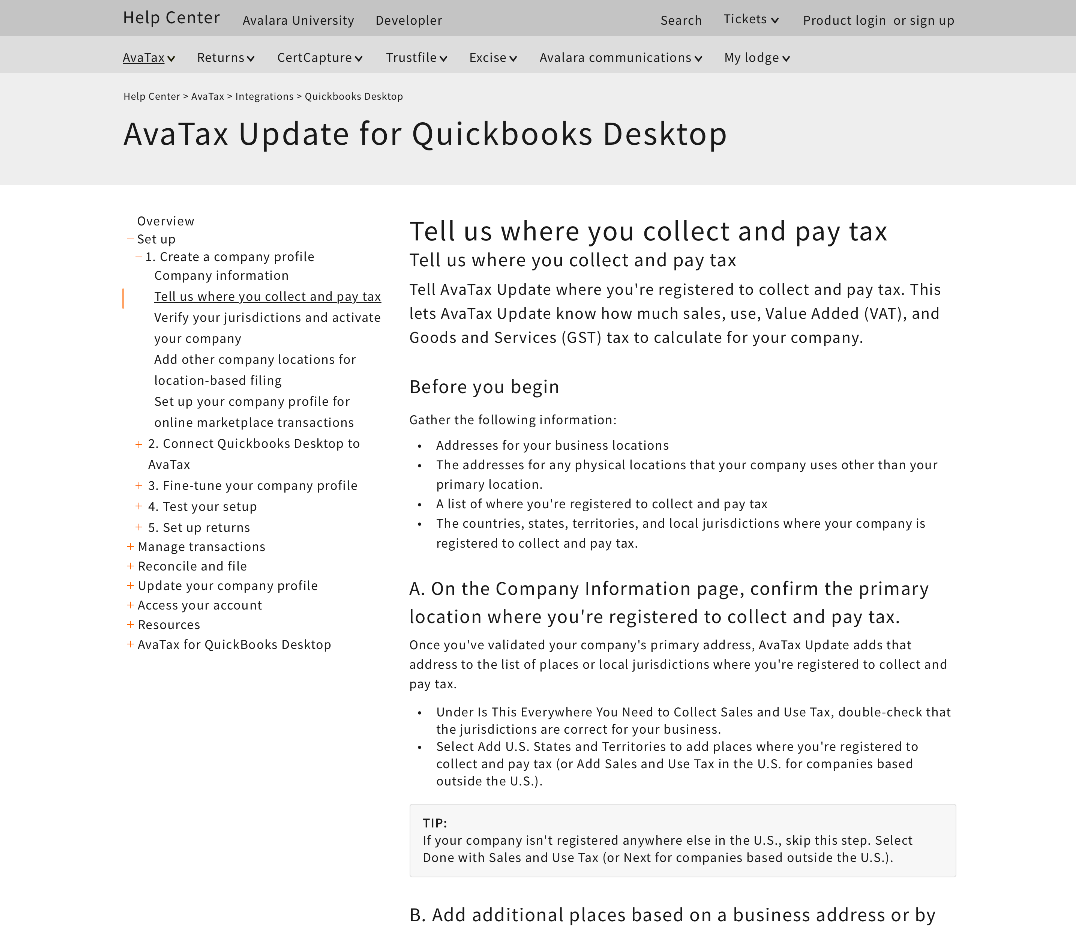
During 2019–2020, Avalara’s technical guidance ecosystem was highly fragmented. The customer learning experience spanned Avalara.com, the Help Center, Avalara University, support FAQs, in-product assistance, and specialized subsites.
The existing footprint was substantial. The baseline scale included 1.5 million annual visits and 35,000 monthly visits across approximately 25,000 articles and 5,000 FAQs. Managing this volume across disconnected platforms created friction for content contributors and inconsistent experiences for customers seeking technical answers.
Help 3.0 & Project FIRO
To address this fragmentation, I developed the Help 3.0 vision and initiated Project FIRO (Federated Information and Reusable Objects). The objective was a complete content platform and operating-model transformation, moving from ad-hoc publishing toward a structured, omnichannel architecture.
Project FIRO introduced a holistic strategy encompassing:
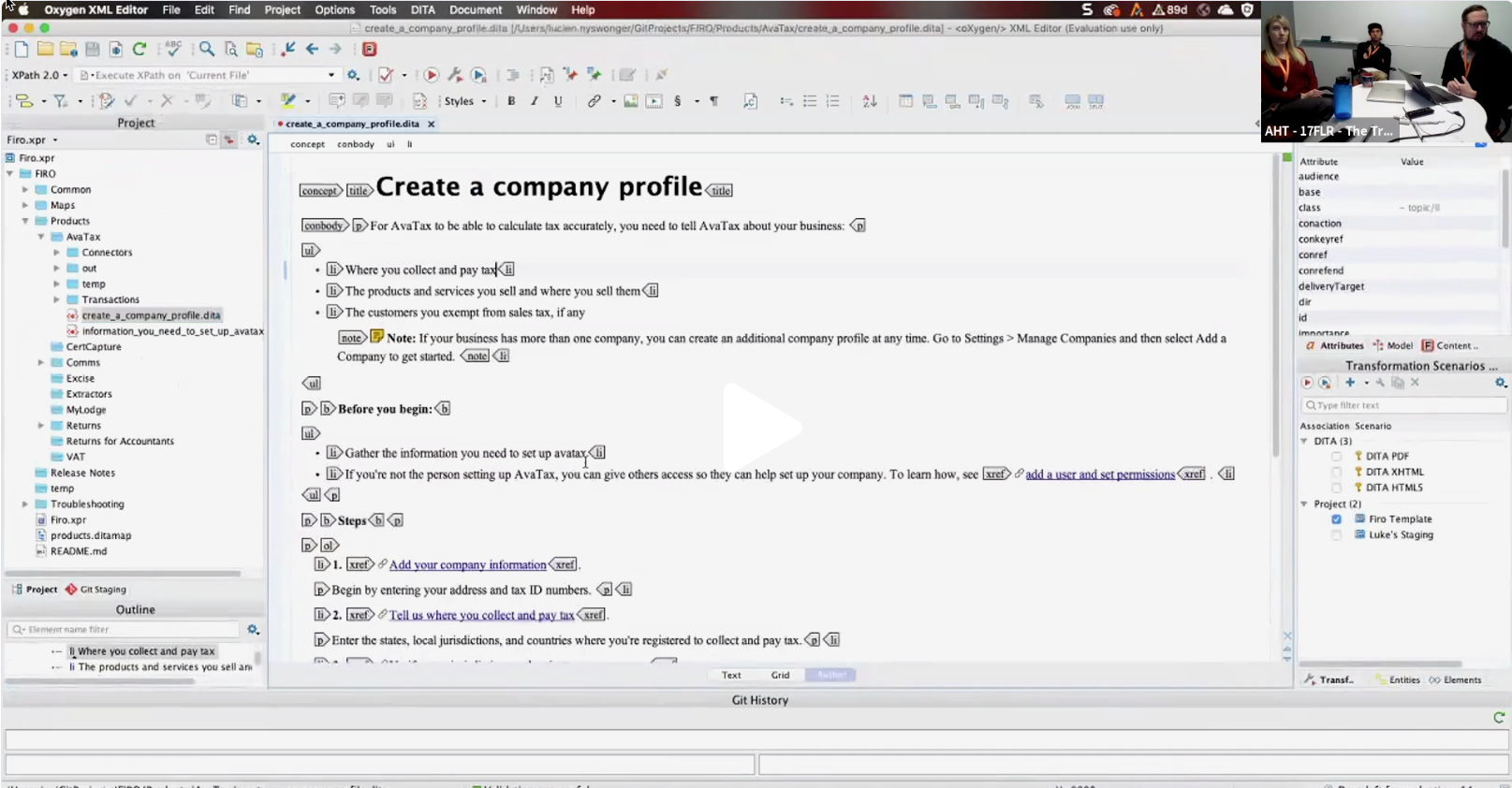
- Structured Authoring: Transitioning to DITA to separate content from presentation.
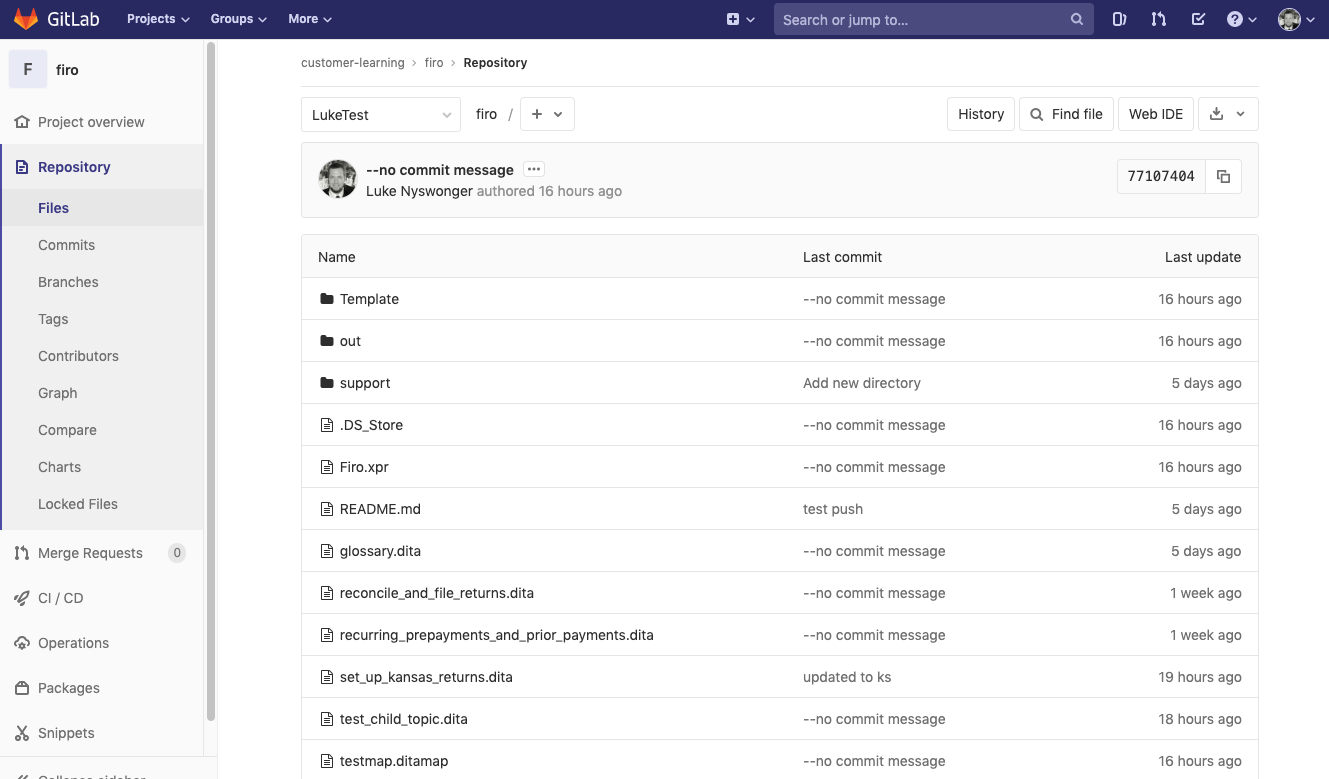
- Source Control: Leveraging GitLab for versioning, peer review, and branching.
- CI/CD Transformation: Building automated publishing pipelines for omnichannel delivery.
- Content Reuse: Eliminating duplication across learning, support, and product channels.
- Ecosystem Integration: Planning metadata, search capabilities, localization, analytics, governance, accessibility, contributor enablement, and integration with Avalara.com.
Execution
Verified Progress & Engineering
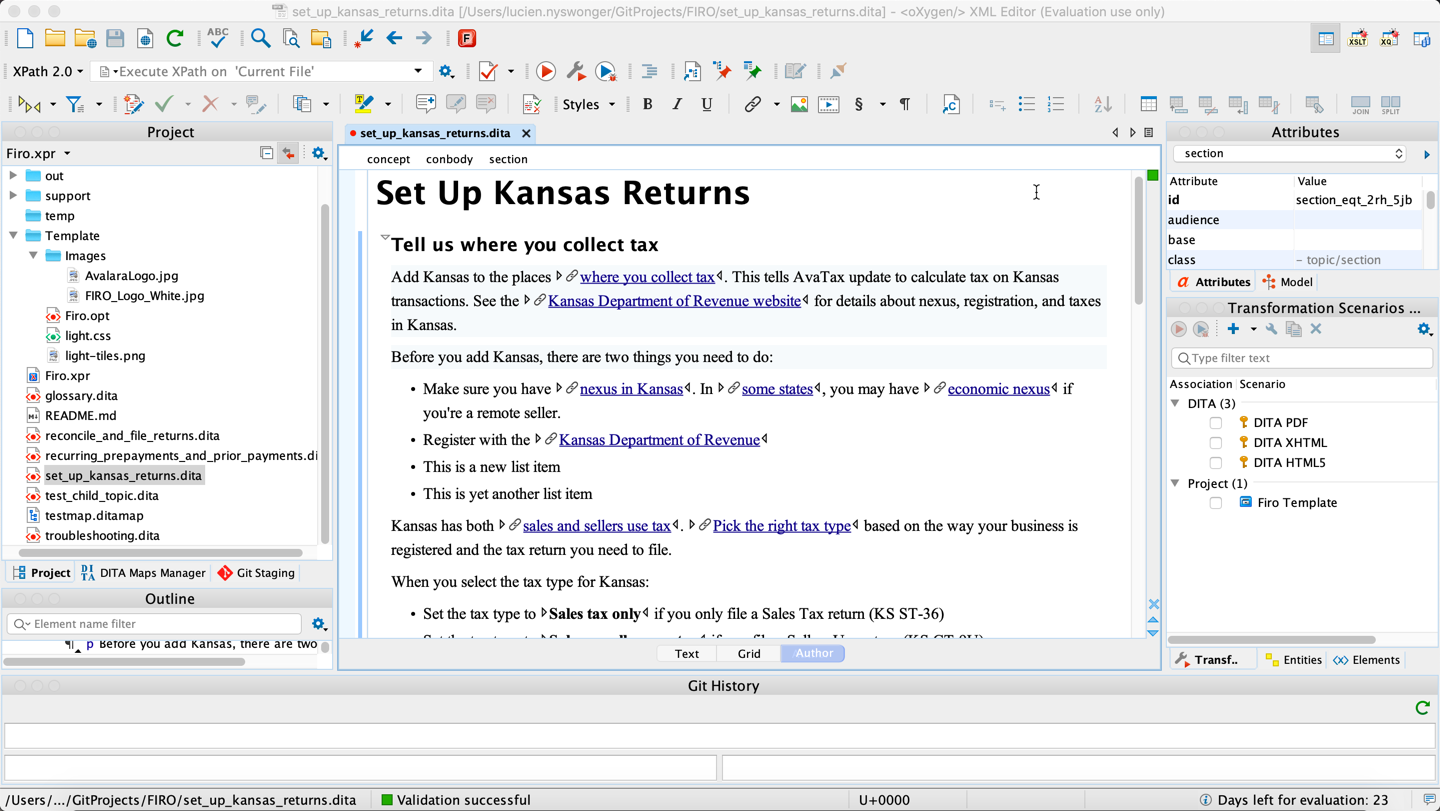
The transformation moved from vision to technical validation. We established the fundamental tools and processes needed for docs-as-code and structured authoring.
Established authoring environments, licensing, and DITA structural foundations for separating content from presentation.
Defined repository architecture, configuration, and branching strategies for docs-as-code workflows.
Developed a baseline DITA-to-HTML transformation pipeline integrating Oxygen, Git, AWS, and Avalara.com delivery.
Evaluated Acrolinx for governance, Salesforce CMS Connect for delivery, and RPA/UIPath for automation.
Operating Model Evolution
A technology shift requires an operational shift. Alongside the architectural work, I implemented a four-week sprint framework for the Customer Learning organization to align content delivery with agile engineering cadences.
We also invested heavily in contributor enablement. This included developing author training, creating troubleshooting materials, establishing media workflows, and integrating custom-event analytics to measure how content was being consumed. We actively evaluated enterprise solutions like Acrolinx for terminology governance, Salesforce CMS Connect, and RPA/UIPath for workflow automation.
Foundation for the Future
The Reimagining Avalara's Help & Learning Ecosystem initiative laid critical groundwork for modern technical publishing. By advancing DITA, Git, and automated transformation pipelines, the project demonstrated how separating content structure from presentation could solve the challenges of a fragmented, high-volume knowledge ecosystem.